Invisible braces in central Budapest
Advances in modern dentistry and digital technology have fundamentally rewritten the traditional rules of orthodontics. Alongside the era of conspicuous, metal fixed braces (or, one might even say, in place of them), a clinically proven, discreet and extremely comfortable alternative has emerged: invisible orthodontic treatment using clear aligners. This technology not only offers aesthetic correction but also restores chewing function, temporomandibular joint stability and long-term oral hygiene.
Why are more and more people opting for invisible braces as adults?
Crowded teeth, gaps between the teeth or various types of malocclusion can be treated effectively even in adulthood, typically 6–18 months . For adult patients aged 35–50, discretion and comfort are key: during business negotiations, online meetings and presentations, nobody wants to feel self-conscious because of metal appliances, or for treatment to be uncomfortable or unpleasant.
Premium, high-end rail systems – the most notable of which is the Invisalign® – operates on the basis of unique, micron-precise digital design. However, there is more to it than just aesthetics: a healthy, evenly spaced set of teeth is easier to clean, thereby reducing the risk of gum disease and tooth decay, which has a direct impact on the body’s general health and on the health of our teeth – and thus directly on our own healthy lifestyle and the longevity of our teeth (the longevity approach).
What exactly does ‘discreet and comfortable orthodontic treatment’ mean?
Modern orthodontics offers a range of solutions for those who want invisible or barely noticeable braces. Depending on the patient’s anatomy, the severity of the malocclusion and their lifestyle, invisible orthodontics is now the appropriate solution for almost every type of malocclusion. We have also chosen this approach, and as our portfolio shows, it is excellently suited even to extremely complex cases; one simply needs to be thoroughly familiar with the technology and know how to apply it effectively.
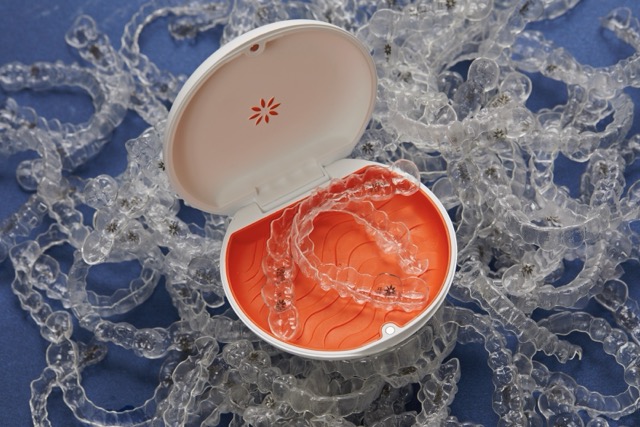
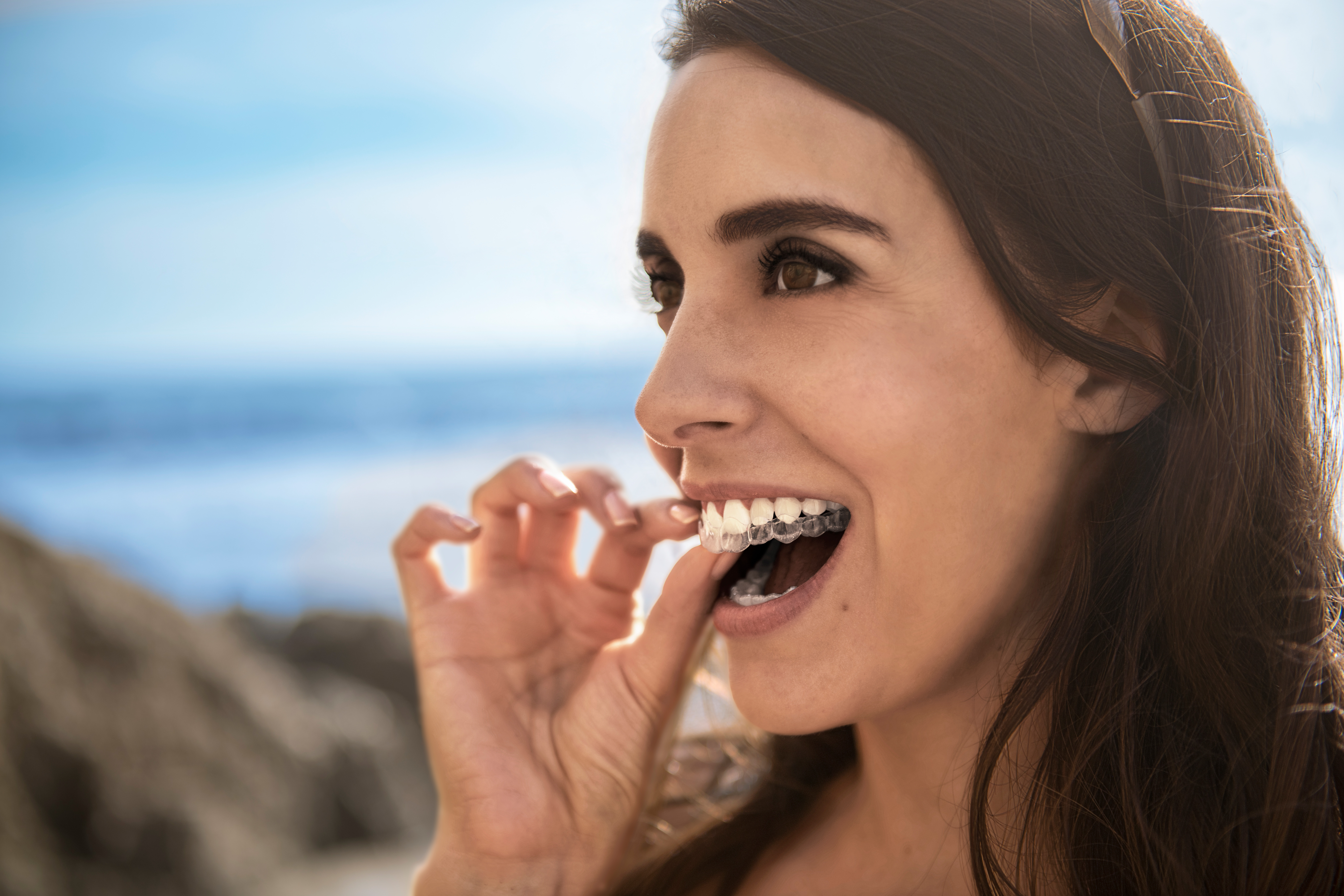
Invisalign® removable, clear, „invisible” aligners: A range of aligners made from medical-grade, specialised multi-layered plastic (SmartTrack®). It is completely transparent and can be removed for meals and when brushing your teeth, so it does not restrict your daily routine in any way and is barely noticeable when worn.
How does invisible orthodontic treatment work? – A brief overview in 5 points
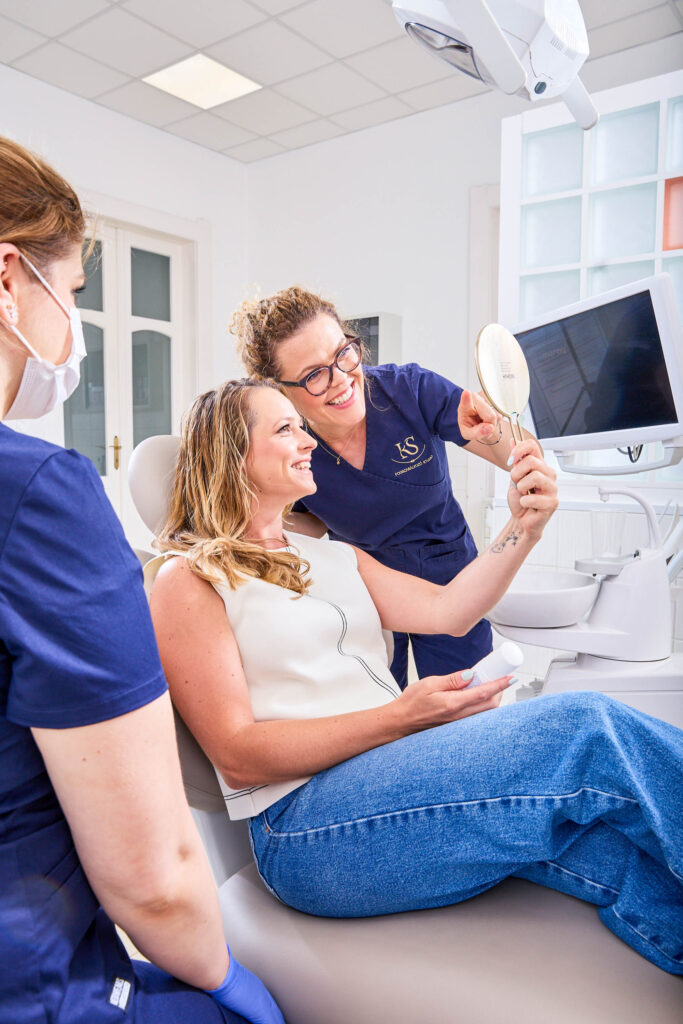
At our clinic, the patient journey is based on a precisely structured, digitally managed workflow, designed with engineering precision, which guarantees a predictable and pre-modelled end result.
1. Diagnostics and digital condition assessment
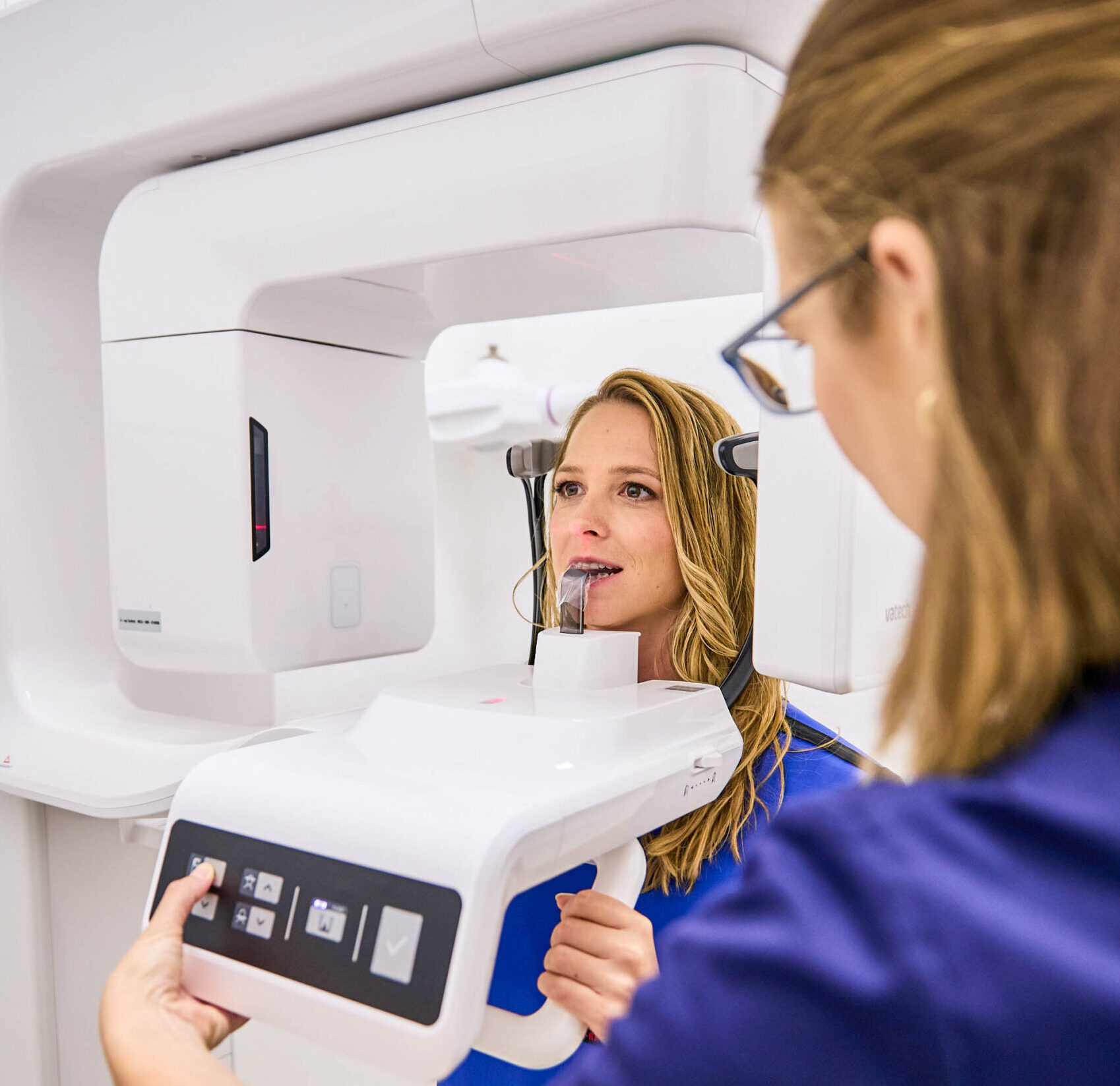
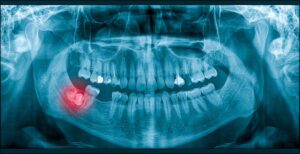
The process, as an alternative to traditional alginate impressions, which are unpleasant and cause gagging, Using a 3D intraoral scanner begins. The digital camera creates a highly accurate three-dimensional model of the dentition in a matter of seconds. This is supplemented by precise digital CBCT, panoramic and teleradiographic images, as well as facial and intraoral photographs required for aesthetic smile design.
2. Personalised 3D smile design
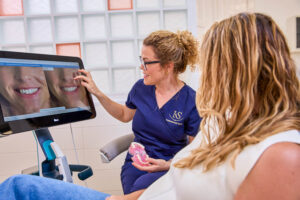
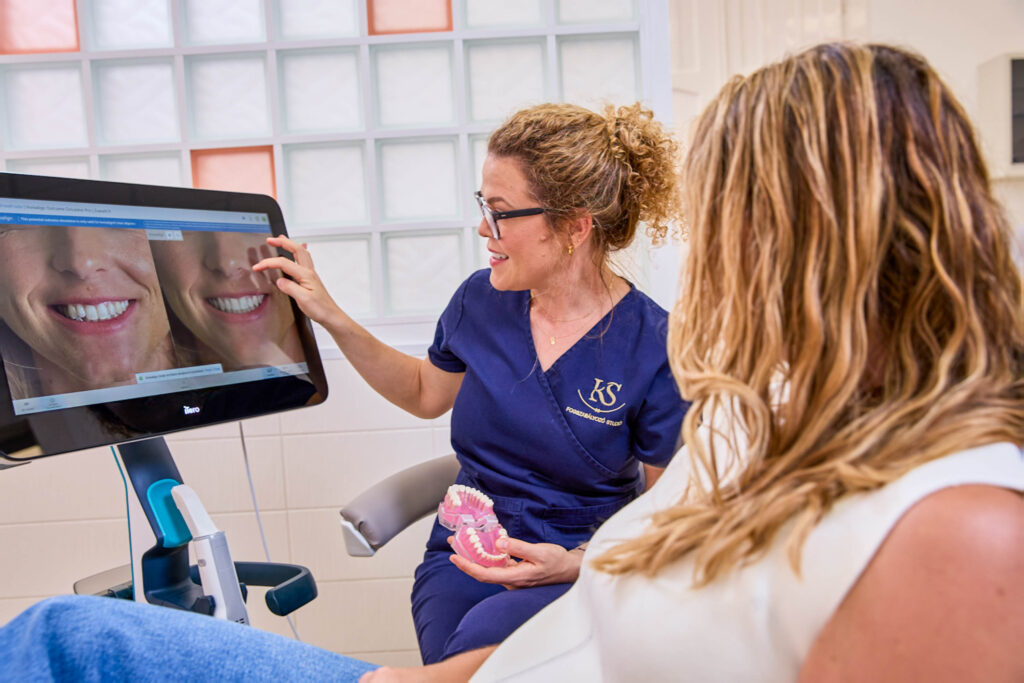
Based on the diagnostic data, we simulate the movement of the teeth using specialised design software. Together with the patient, we 3D animation (ClinCheck®) Even before the first aligner is produced, we review how your smile will change month by month. This is where we determine the exact treatment duration and provide a clear breakdown of costs.
3. Handover of the device and activation
With Invisalign®, the entire set of aligners is printed using bespoke laser technology based on the approved treatment plan. Following a thorough professional clean at the practice, we fit the tooth-coloured attachments (tiny, almost completely invisible composite geometric shapes on the teeth, which provide additional support for the aligner), we check that they fit precisely, and hand over the starter aligner pack.
The key to success: The sensation following activation or rail replacement is not a sharp pain, but a well-tolerated, temporary feeling of tightness. However, daily 20–22 hours Strict adherence to wearing times – the aligners may only be removed for eating and brushing your teeth.
4. Control tests and monitoring
Whilst with traditional fixed braces the wires need to be adjusted every 4–6 weeks, with Invisalign® it is sufficient to 10-12 weekly to attend an appointment at the surgery. During these check-ups, the treating dentist checks whether the movement of the teeth is following the digital model exactly, although we already have tools suitable for remote monitoring, which we prefer to use in the form of an app that can be downloaded onto a mobile phone.
5. Retention – The key to stable results
Once the teeth have reached their ideal position, it is necessary to wear a night-time retainer; this marks the start of the retention phase (which is at least as important as the orthodontic treatment itself). Without retention appliances, the teeth would tend to shift back to their original position. International clinical meta-analyses (e.g. Cochrane reviews) also confirm that a personalised retention strategy is essential for long-term stability (longevity). In our clinic, we combine invisible fixed retention wires bonded to the inner surfaces of the teeth with removable night-time retention splints to ensure lasting results.

Orthodontic Treatment for Children and Adolescents: The 360° Approach
The true aim of orthodontic treatment is to restore functional balance. In cases of crowded teeth, the spaces between the teeth cannot be cleaned properly, which accelerates the build-up of tartar, chronic gum inflammation and tooth decay. Modern research clearly demonstrates that persistent oral inflammation has systemic effects: it can increase the risk of cardiovascular disease and metabolic disorders.
A correct bite also relieves pressure on the masticatory muscles, eliminates clicking in the jaw joint and chronic neck and headaches, and improves digestion through more efficient chewing.
One of our practice’s key areas of specialisation is early, preventative orthodontics. Although the period of active tooth movement is generally limited to the mixed dentition phase (6– by the age of 12) it can be assumed that the first professional screening has already At the age of 6–7 It is recommended that this be carried out.
Early screening and tackling unhealthy habits
Bad habits at the age of 3–5 (prolonged use of a dummy, thumb-sucking, tongue-thrusting or mouth-breathing due to an enlarged adenoids) can distort the growth of the jawbones. At this early stage, rather than conventional braces, myofunctional trainers we use.
The treatment at our studio speech and language therapist and myofunctional training complements this, because without the correct functioning of the facial and masticatory muscles, the results achieved through orthodontic treatment cannot be maintained in the long term. For the mixed dentition phase and for teenagers, we also offer the Invisalign® First and Invisalign® Teen aligner solutions – developed specifically for young people, offering an aesthetic and discreet treatment option – at a more affordable price.
Transparent pricing and financing
Invisible orthodontics is a state-of-the-art investment in healthcare. There are no hidden costs at our clinic: following the diagnosis and 3D planning, the patient a fixed, itemised quotation We can also offer personalised financing options to ensure that the dream smile we design for you isn’t out of reach.